
Dr. Charles Brenner is a leading global researcher in NAD+ metabolism, known for discovering the vitamin activity of nicotinamide riboside.


What is NAD+?
Nicotinamide adenine dinucleotide (NAD+) is a crucial coenzyme found in every cell, powering the conversion of food into energy and supporting essential cellular processes. As we age, NAD+ levels naturally decline, affecting how our cells function. Find out how this discovery is changing the way we think about aging and what it means for your health.

Why NAD+ is important for whole-body health
As we age, NAD+ levels can drop by up to 65%, reducing the ability of cells to produce energy, repair DNA, and maintain overall function. This decline can weaken cellular resilience and increase vulnerability to age-related health challenges. Learn how maintaining NAD+ levels may support cellular energy, vitality, and long-term wellness.

The science of NAD+ boosting
Since NAD+ molecules are too large to effectively enter cells when taken directly, your body requires smaller compounds called NAD+ "precursors": building blocks that can cross into cells and convert into NAD+. Nicotinamide riboside (NR) is a unique form of vitamin B3 that efficiently converts to NAD+ in your cells through a specialized pathway.
Unlike other precursors, NR bypasses rate-limiting steps and avoids potential side effects associated with NAD+ and niacin supplementation. Extensive research demonstrates NR's superior bioavailability and safety profile, making it one of the most studied and effective NAD+ precursors available, with clinical studies consistently showing its ability to significantly raise NAD+ levels in humans.

How NAD+ supplementation can support your health
As we age, maintaining adequate NAD+ levels becomes increasingly important for cellular processes throughout the body. Studies on NAD+ supplementation show promising connections to positive benefits across multiple areas of health:
- Neurological Health (e.g., Parkinson's disease)
- Cardiovascular Health (e.g., Heart Failure)
- Orphan Disease (e.g., Ataxia Telangiectasia)
- Immune Function
- Aging & Healthspan
- Muscle Health
Expert-backed content
Every article, study summary, and educational resource undergoes rigorous expert review before publication.
Our educational content is created and reviewed by world-renowned experts in NAD+ research and cellular biology. From pioneering researchers who discovered NAD+ precursors to clinical investigators conducting cutting-edge trials, our expert network ensures the highest standards of scientific accuracy.

Charles Brenner, Ph.D.
Vilhelm (Will) Bohr, M.D., Ph.D., D.Sc.
Dr. Vilhelm Bohr is a leading researcher in DNA repair, aging, and neurodegenerative disease with over 600 journal publications.
Toby Amidor, MS, RD, CDN, FAND
Toby Amidor is a Wall Street Journal bestselling author and leading culinary nutrition expert, recognized with the Academy of Nutrition & Dietetics' Media Excellence Award.

Philip Redpath, Ph.D.
Dr. Philip Redpath, Director of Innovation R&D at Niagen Bioscience, is a synthetic organic chemistry expert specializing in NAD+ precursor development.
Lauren Manaker, MS, RDN, LD, CLEC
Lauren Manaker is an award-winning registered dietitian and three-time author specializing in evidence-based women's health nutrition.
Michael Sagner, M.D.
Dr. Michael Sagner is a globally recognized physician and pioneer in preventive medicine, serving as Clinical Advisor at Ageing Research at King's (ARK) and founder of The Serena Clinic.
Methods of NAD+ Administration: Understanding Your Options
Modern science offers several approaches to increasing NAD+ levels, each with distinct advantages and applications:
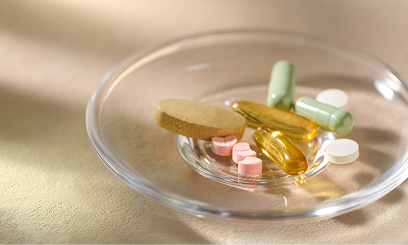
Oral Supplementation
The most convenient and widely studied method, particularly with nicotinamide riboside (NR), offering proven bioavailability and safety.
Liposomal Delivery
A delivery system purported to enhance absorption and cellular uptake of NAD+ precursors, but lacks clinical research to support.
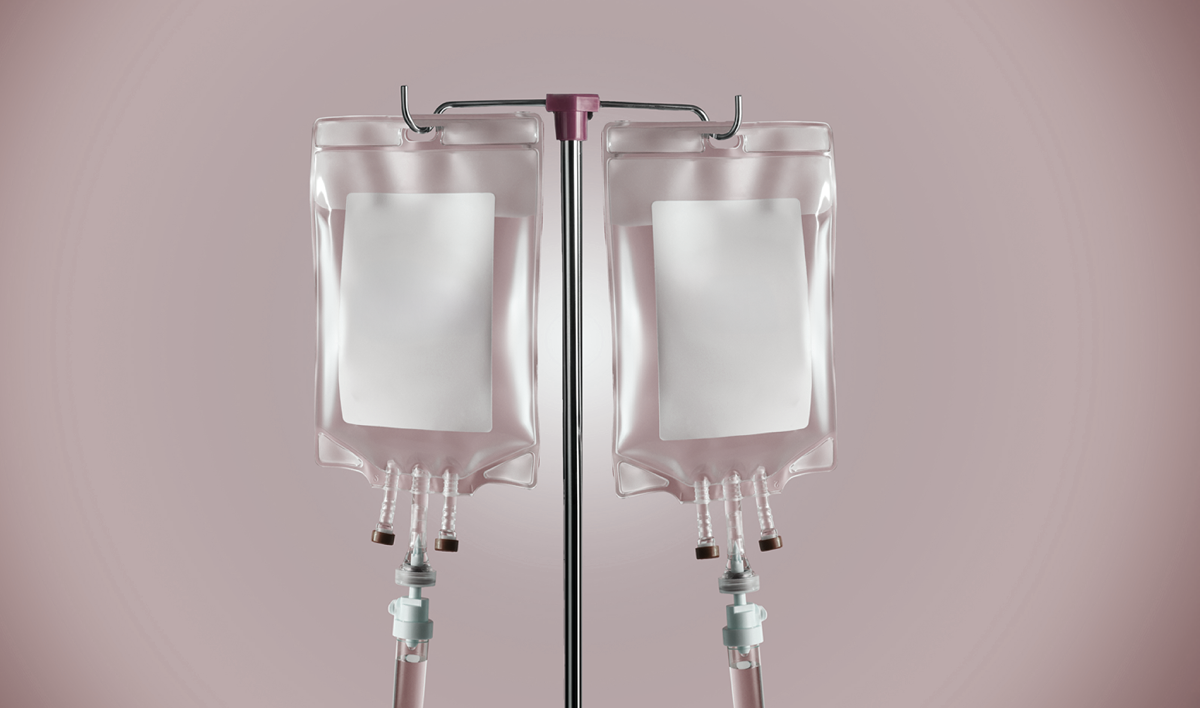
Intravenous Administration
Direct delivery for maximum bioavailability, typically used in clinical settings for specific therapeutic applications.
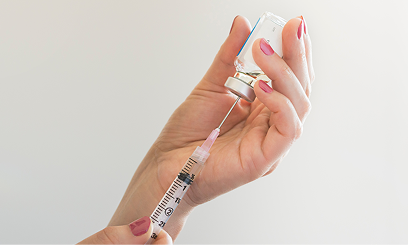
Injection
Targeted delivery via intramuscular or subcutaneous administration,
with the convenience of at-home or in-clinic administration.
Blog
Injection
Nicotinamide Riboside Injections: Exploratory Findings from a Two-Part Pilot Study
A two-part pilot study has generated the first clinical data on the potential benefits of intramuscular and subcutaneous NR injections in humans—across six distinct outcome areas. The early signals are intriguing and hypothesis-generating for future research. Here’s what the data shows, and why the findings are preliminary.
Skin Health
NAD+, Nicotinamide Riboside, and Skin Health: What the Latest Research Shows
From skin cells exposed to inflammation and UV stress to human studies of topical NR, recent research has broadened the scientific understanding of NAD+, NR, and skin health. Explore what the latest research reveals about the effects of NAD+ and NR on the skin.
Mitochondrial Disease
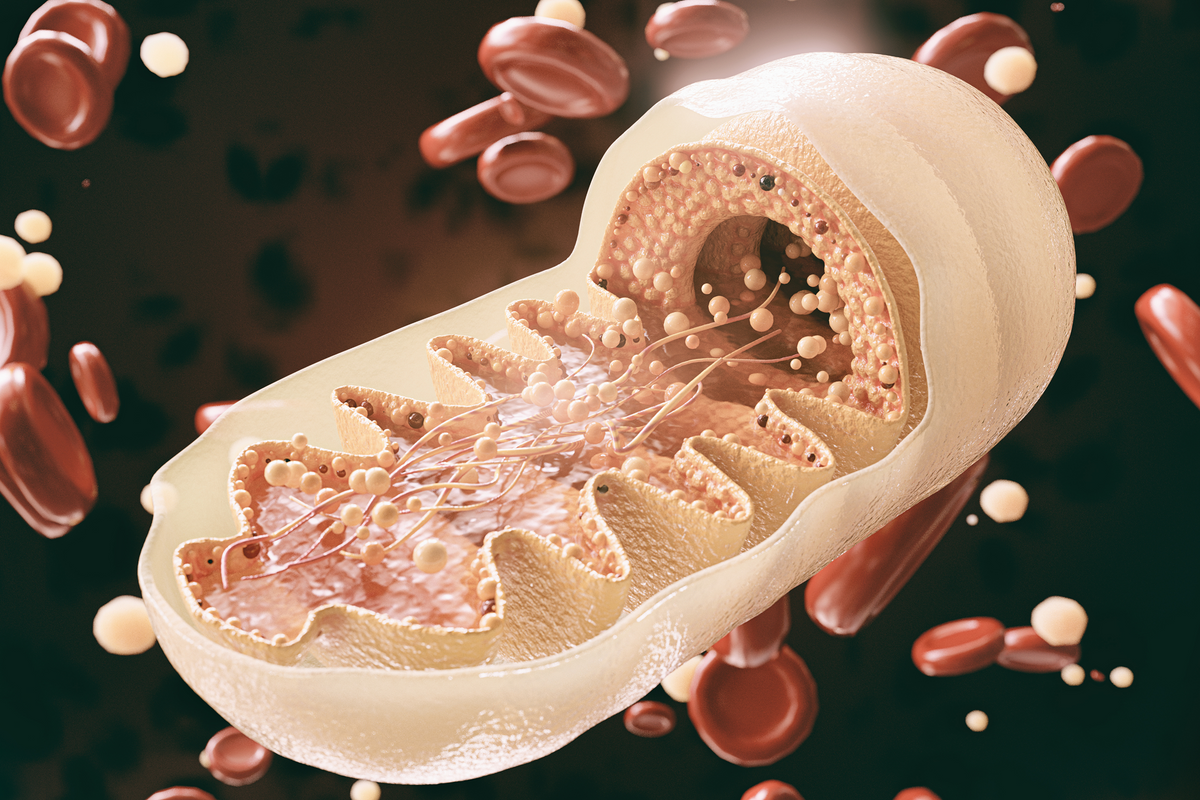
Nicotinamide Riboside and Mitochondrial DNA Disease: Early Findings From a Human Study
Mitochondrial DNA diseases are hard to treat, and researchers are exploring whether boosting NAD+ could help. A new human study from the University of Cambridge offers early clues about how NR, an NAD+ precursor, may influence mitochondrial biology, and why larger trials are still needed.

Reproductive Health
Placental NAD+ Declines with Maternal Age: What New Research Reveals About CD38, NR, and NMN
A new study links declining placental NAD+ in older mothers with increased CD38 expression. In aged mice, CD38 limited NMN availability to neighboring stromal cells, whereas NR restored placental NAD+. Although the study did not directly compare the two, the findings suggest a potential mechanistic advantage for NR in CD38-rich tissues such as the aging placenta.